
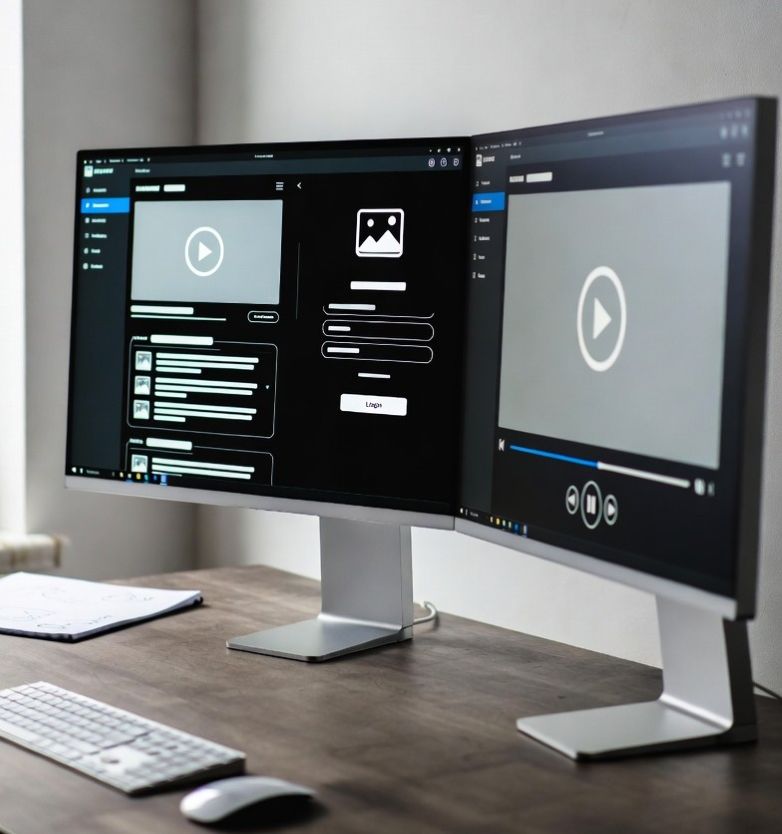
Live sports coverage has evolved into a design-driven experience. According to global media reports, streaming now accounts for a growing share of live sports viewership, pushing platforms to rethink how games look on screen. What viewers see around the action, scoreboards, menus, stats, and transitions, shapes how they understand and enjoy the match.
Platforms like Sports Broadcast (스포츠중계) show how thoughtful user interface design can turn a simple live stream into a polished viewing journey. From the first tap on a menu to the final whistle graphic, every visual element guides attention. The result is a broadcast that feels smooth, organized, and easy to follow.
The Role of UI in Live Sports Coverage
User interface design in live sports is about clarity and speed. When a goal is scored in the English Premier League, viewers want instant confirmation. They look for the score overlay, team logos, and time stamp. If these elements are placed well and use clear contrast, the brain processes them in seconds.
Designers borrow from perception psychology. Studies on visual hierarchy show that people scan screens in patterns. That is why scoreboards are often placed in the top corner, which feels predictable and does not block the action. This approach aligns with visual design insights from competitive gaming, where designers use layout and contrast to guide focus quickly. Fonts are bold, sans-serif, and easy to read at a glance. Colors match team branding, which helps fans instantly identify who is playing.
Broadcast legends like John Motson often spoke about how commentary and visuals must work together. While commentators tell the story, graphics confirm the facts. A well-designed interface supports that rhythm. It never competes with the game.
Menus That Guide, Not Distract
Streaming platforms face a challenge traditional TV never had. Viewers interact with the screen. They choose matches, switch camera angles, or open stats panels. Poor menu design creates friction. Too many options overwhelm users. Too few make the app feel limited.
Smart design reduces cognitive load. Cognitive load refers to how much mental effort a person uses to process information. In a live match, the viewer is already tracking the ball, players, and commentary. Clean menus with clear labels and logical grouping prevent overload.
Icons help. A simple calendar symbol for fixtures or a bar chart for statistics communicates meaning quickly. Designers also rely on spacing. White space, or empty space around elements, improves readability and focus. When menus slide in smoothly and disappear just as easily, the match remains the star.
Score Overlays and Real-Time Data
Score overlays are the heartbeat of any sports stream. They must be visible yet subtle. Transparency is often used so that viewers can see the action behind the graphic. The timer updates in real time. Team abbreviations are short and standardized.
For EPL broadcasts, visual cues are critical. A quick flash animation after a goal, a color shift during a VAR check, or a small icon indicating a yellow card all help viewers follow events instantly. These cues reduce the need for long explanations. The eye recognizes patterns faster than text.
Data visuals have grown more advanced. Heat maps, possession charts, and player comparison graphics appear during breaks. Inspired by analytics work popularized by figures like Arsène Wenger during his time at Arsenal, modern broadcasts lean on data to tell deeper stories. Good graphic design ensures these visuals are simple. Clean lines, limited colors, and clear labels keep the focus on insight rather than decoration.
Transitions That Maintain Flow
Transitions are often overlooked, yet they shape the emotional pace of a broadcast. A smooth fade into halftime analysis or a quick replay wipe after a foul keeps energy consistent. Abrupt or flashy effects can distract from the sport.
Design teams study timing carefully. A replay transition that lasts one second feels sharp. Anything longer can feel slow during a fast match. Sound design also plays a role. Subtle audio cues reinforce visual movement and signal that something important is happening.
Consistency matters. When viewers return to a platform for another Sports Broadcast session, familiar transitions and layouts create comfort. Predictability builds trust. It tells the audience they know where to look and what to expect.
Reducing Cognitive Load in Live Sports Apps
Live sports apps operate in high-pressure moments. A penalty kick or last-minute corner demands full attention. Smart interface design steps back during these moments. Graphics shrink slightly or use neutral colors so the action dominates the screen.
Contrast is key. Dark backgrounds with light text improve readability. Motion is controlled and purposeful. Designers avoid clutter by limiting simultaneous pop-ups. Each element has a clear job, whether it is showing substitutions, match stats, or sponsor logos.
User testing plays a major role. Platforms observe how real viewers react. If users hesitate to find highlights or struggle to read scores on smaller screens, adjustments are made. The goal is simplicity. When design feels invisible, it is working.
Why Presentation Shapes Perception
Sports fans remember great goals, dramatic saves, and title celebrations. Yet presentation shapes how those moments live in memory. Clean overlays, balanced colors, and intuitive navigation create a sense of professionalism and excitement.
Sports Broadcast experiences that invest in thoughtful UI design feel modern and reliable. They respect the viewer’s attention. By reducing cognitive load and using smart visual cues, platforms turn live matches into immersive events. The game remains the hero, but design makes sure every detail is clear, accessible, and unforgettable.