
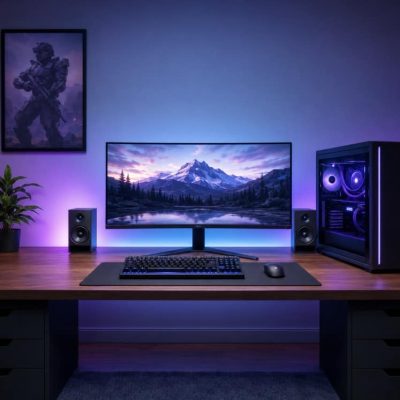
 A gaming PC setup is more than a collection of high-performance components. It is also a space where you spend hours gaming, working, creating content, or simply relaxing. As many guides on a German gaming hardware site emphasize, while powerful hardware is important, the overall appearance of your setup can influence how comfortable and enjoyable the experience feels. A visually balanced gaming setup combines function and style without becoming cluttered or distracting.
Creating a balanced design does not require expensive equipment or professional interior design skills. With thoughtful planning, consistent color choices, and smart placement of your gear, you can build a setup that looks organized while supporting your gaming needs.
Start with a Clear Design Theme
Before buying accessories or rearranging your desk, decide on the overall style you want to achieve. Having a consistent theme makes it easier to choose furniture, peripherals, lighting, and decorations that work well together.
Some gamers prefer a clean, minimalist setup with neutral colors and simple lines. Others enjoy a futuristic look with RGB lighting, while some choose industrial, modern, or even retro-inspired designs.
Whatever theme you select, keeping it consistent helps create a setup that feels intentional rather than random.
Choose a Matching Color Palette
Color plays a major role in visual balance. Too many competing colors can make a gaming setup appear busy, while a coordinated palette creates a cleaner appearance. If your gaming PC includes customizable RGB lighting, consider selecting one or two colors instead of cycling through every available effect. Consistent lighting often looks more refined than constantly changing colors.
Position the Gaming PC Carefully
The placement of your gaming PC affects both appearance and practicality. If your case has a tempered glass side panel, position it where the internal components are visible without blocking your workspace. Avoid placing the tower directly on thick carpet, as this can restrict airflow and increase dust buildup.
Many users place the PC on the desk to showcase its design, while others use a sturdy PC stand beside the desk to free up workspace. Either option can look attractive if the surrounding area remains organized.
Center Your Monitor
The monitor is usually the focal point of any gaming setup. Position it directly in front of your chair to create a balanced layout and improve comfort during long gaming sessions. If you use multiple monitors, arrange them evenly to reduce neck movement and maintain visual symmetry. Monitor arms can also help by freeing up desk space while allowing precise positioning. Matching monitor sizes and bezel thickness can further improve the overall appearance of the setup.
Manage Cables Effectively
Visible cables can quickly make even the most expensive gaming setup appear messy. Good cable management creates a cleaner look while making maintenance much easier. Use cable sleeves, clips, Velcro straps, or under-desk cable trays to bundle wires together. Route cables behind the desk whenever possible, leaving only the necessary connections visible. Wireless keyboards, mice, and headsets can further reduce cable clutter, although charging cables should still be organized when not in use.
Balance Lighting Throughout the Space
Lighting influences both the appearance and atmosphere of a gaming room. Rather than relying only on bright RGB lights inside the PC case, consider layering different types of lighting. Soft LED strips behind the monitor can reduce eye strain while adding depth to the setup. Desk lamps provide focused lighting for reading or working, while ambient room lighting prevents the space from feeling too dark. Avoid placing extremely bright lights directly behind the monitor, as they may create glare and reduce viewing comfort.
Keep the Desk Organized
A balanced setup includes only the items you regularly use. Leaving unnecessary objects on the desk creates visual clutter and reduces available workspace. Store controllers, charging cables, external drives, and accessories in drawers or organizers when they are not needed. Small desktop trays can also keep frequently used items neatly arranged.
Add Decorations in Moderation
Personal touches help make a gaming setup feel unique, but too many decorations can overwhelm the space. Consider displaying a few items that reflect your interests, such as game collectibles, framed artwork, small plants, or LED signs. Position these decorations where they complement the setup without blocking monitors or reducing usable desk space. Spacing decorative items evenly throughout the area creates a more balanced appearance than grouping everything in one location.
Select Furniture That Fits the Space
A large desk in a small room can make the space feel crowded, while a tiny desk may not provide enough room for multiple monitors and gaming accessories. Choose furniture that offers enough surface area without overwhelming the room. Storage units, shelves, and monitor stands should also complement the desk rather than competing for attention. Comfort should remain a priority. An ergonomic chair and properly positioned desk improve both appearance and long-term usability.
Maintain Visual Symmetry
Symmetry often creates a cleaner, more organized appearance. For example, placing speakers evenly on both sides of the monitor, centering the keyboard beneath the screen, and positioning accessories in balanced locations can make the entire setup feel more harmonious. Perfect symmetry is not always necessary, especially if your equipment varies in size. However, maintaining general balance helps prevent one side of the desk from looking crowded while the other appears empty.
Plan for Future Upgrades
Gaming setups often evolve over time. New monitors, upgraded PCs, additional storage devices, or streaming equipment may eventually become part of your workspace. When designing your setup, leave enough room for future additions. Extra desk space, available power outlets, and flexible cable management make upgrades easier without requiring a complete redesign. Planning ahead also helps maintain a consistent appearance as your equipment changes.
Conclusion
Designing a visually balanced gaming PC setup is about combining style with practicality. A consistent color palette, thoughtful lighting, organized cables, balanced furniture placement, and a clutter-free workspace all contribute to a setup that looks clean and feels comfortable to use.