
Visual Storytelling Techniques That Define Today’s Arabic Television Productions
UNESCO has highlighted the rapid expansion of digital media across the Arab region, creating new opportunities for filmmakers and television producers to experiment with richer visual storytelling while reaching wider audiences. As more viewers discover contemporary dramas through platforms featuring Cima Now series, attention has shifted beyond plot and acting toward the visual choices that shape every scene. Cinematography, lighting, production design, typography, and carefully selected color palettes now play a central role in creating memorable viewing experiences.
Modern Arabic television has evolved alongside global streaming standards. Productions are expected to maintain visual consistency from opening titles to closing scenes while adapting artistic traditions unique to the region. This balance creates an interesting discussion. Some viewers value bold cinematic techniques that resemble international streaming hits, while others appreciate productions that preserve local identity through architecture, costume, and traditional artistic influences. Together, these perspectives reveal how visual design continues to define successful television storytelling.
The Growing Importance of Cinematography
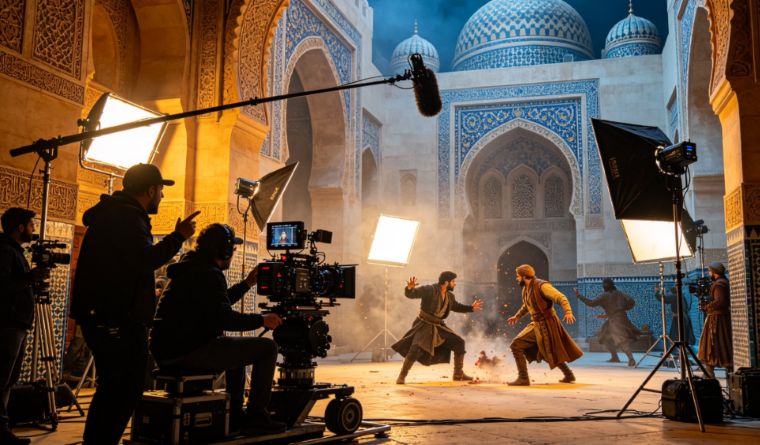
Cinematography has become one of the strongest storytelling tools in Arabic television. Camera movement, framing, lens selection, and composition influence how audiences interpret emotion before a character even speaks. Research published by the British Film Institute explains that visual composition guides audience attention and shapes emotional engagement throughout a narrative.
Many contemporary Arabic dramas use slow tracking shots during emotional conversations while reserving handheld camera movement for scenes involving uncertainty or conflict. Wide landscape shots establish a strong sense of place, particularly in productions filmed across historic cities, deserts, or coastal environments. These visual decisions provide context without requiring additional dialogue.
Series commonly available on regional streaming libraries, including titles found on Cima Now, demonstrate how cinematic framing has become increasingly sophisticated. Directors often combine traditional storytelling with modern filming techniques to create productions that feel both culturally authentic and visually polished.
Color Palettes as Emotional Language
Color does much more than decorate a frame. It establishes mood, reflects character development, and supports the overall narrative.
Adobe notes that color theory influences emotional perception across many forms of visual communication. Television producers increasingly apply these principles to maintain consistency throughout an entire season.
Warm earth tones frequently appear in family dramas to communicate familiarity and tradition. Cooler blues and gray shades often accompany suspense or crime stories, creating emotional distance and uncertainty. Historical dramas may rely on muted palettes that reinforce period authenticity while preserving visual elegance.
The debate surrounding color grading illustrates the evolution of Arabic television. Some critics argue that excessive digital grading risks making regional productions resemble international content too closely. Others believe advanced color correction enhances storytelling without diminishing cultural identity. Both perspectives acknowledge that thoughtful color choices strengthen audience immersion when used with purpose.
Lighting Creates Meaning Beyond Visibility
Lighting has progressed from a purely technical requirement into a creative storytelling element.
Experts from the American Society of Cinematographers explain that lighting directs audience focus, establishes atmosphere, and communicates emotional tone. Contemporary Arabic productions increasingly rely on natural-looking light combined with carefully controlled studio techniques.
Soft lighting often supports scenes centered on family relationships, while stronger contrasts emphasize tension or moral uncertainty. Window light, lanterns, practical household fixtures, and carefully positioned shadows help create believable environments instead of artificial-looking sets.
The contrast between traditional studio lighting and modern cinematic lighting reflects broader changes across the television industry. Streaming audiences have grown accustomed to productions that resemble feature films, encouraging television creators to adopt more refined lighting strategies.
Production Design Strengthens Cultural Identity
Production design shapes the world characters inhabit. Every object, location, costume, and architectural detail contributes to storytelling.
The Academy of Motion Picture Arts and Sciences recognizes production design as one of cinema’s essential creative disciplines because physical environments influence how audiences understand character, setting, and historical context.
Arabic television frequently incorporates regional architectural styles, traditional interiors, decorative patterns, and locally inspired costumes. These choices help distinguish productions from international series while reinforcing cultural authenticity.
Some modern dramas intentionally contrast contemporary urban environments with historic neighborhoods to highlight social change. Others use carefully designed interiors that reflect differences in wealth, education, or family traditions. These visual details communicate information naturally without lengthy exposition.
Typography and Opening Titles Set Expectations
Typography rarely receives the same attention as cinematography, yet it significantly shapes first impressions. Opening title sequences introduce tone, genre, and pacing before the story begins.
Nielsen Norman Group emphasizes that typography influences readability, perception, and user experience across digital media. Television productions benefit from the same principles by selecting title designs that complement the visual identity of each series.
Elegant Arabic calligraphy may appear in historical productions, while clean contemporary fonts often support crime dramas, thrillers, or modern family stories. Motion graphics, animation, and carefully synchronized music further strengthen audience expectations before the narrative unfolds.
As streaming platforms encourage binge viewing, consistent title sequences become valuable branding elements that help viewers instantly recognize a series.
The Challenge of Maintaining Visual Consistency
Growing production quality brings new expectations. Viewers increasingly compare Arabic television with international streaming productions, placing greater pressure on creative teams. Similar lessons can be found by examining visual design principles in sports broadcasts, where consistent graphics, lighting, camera work, and production choices help create a recognizable viewing experience across different types of programming.
Maintaining consistency across multiple episodes requires collaboration between cinematographers, production designers, editors, costume departments, visual effects artists, and colorists. Every department contributes to a unified visual identity.
This creates an ongoing discussion within the industry. Large production budgets often allow for greater visual refinement, while smaller productions rely more heavily on creative planning than expensive technology. Strong artistic direction frequently proves more valuable than costly equipment alone.
Modern streaming audiences also consume content across televisions, tablets, laptops, and smartphones. Visual elements must remain effective regardless of screen size, making consistency increasingly important throughout digital distribution.
Conclusion
Visual storytelling has become one of the defining strengths of contemporary Arabic television. Cinematography, lighting, production design, typography, and carefully developed color palettes work together to support narrative depth while strengthening emotional engagement. Productions featured across regional streaming libraries continue to demonstrate how thoughtful artistic direction can elevate familiar stories without sacrificing cultural authenticity.
The ongoing dialogue between traditional aesthetics and modern production techniques continues to shape the future of Arabic television. As streaming platforms expand and audience expectations evolve, maintaining strong visual consistency across every episode will remain an essential part of successful series production. Careful attention to artistic presentation ensures that viewers experience compelling stories through imagery that is every bit as meaningful as the dialogue itself.